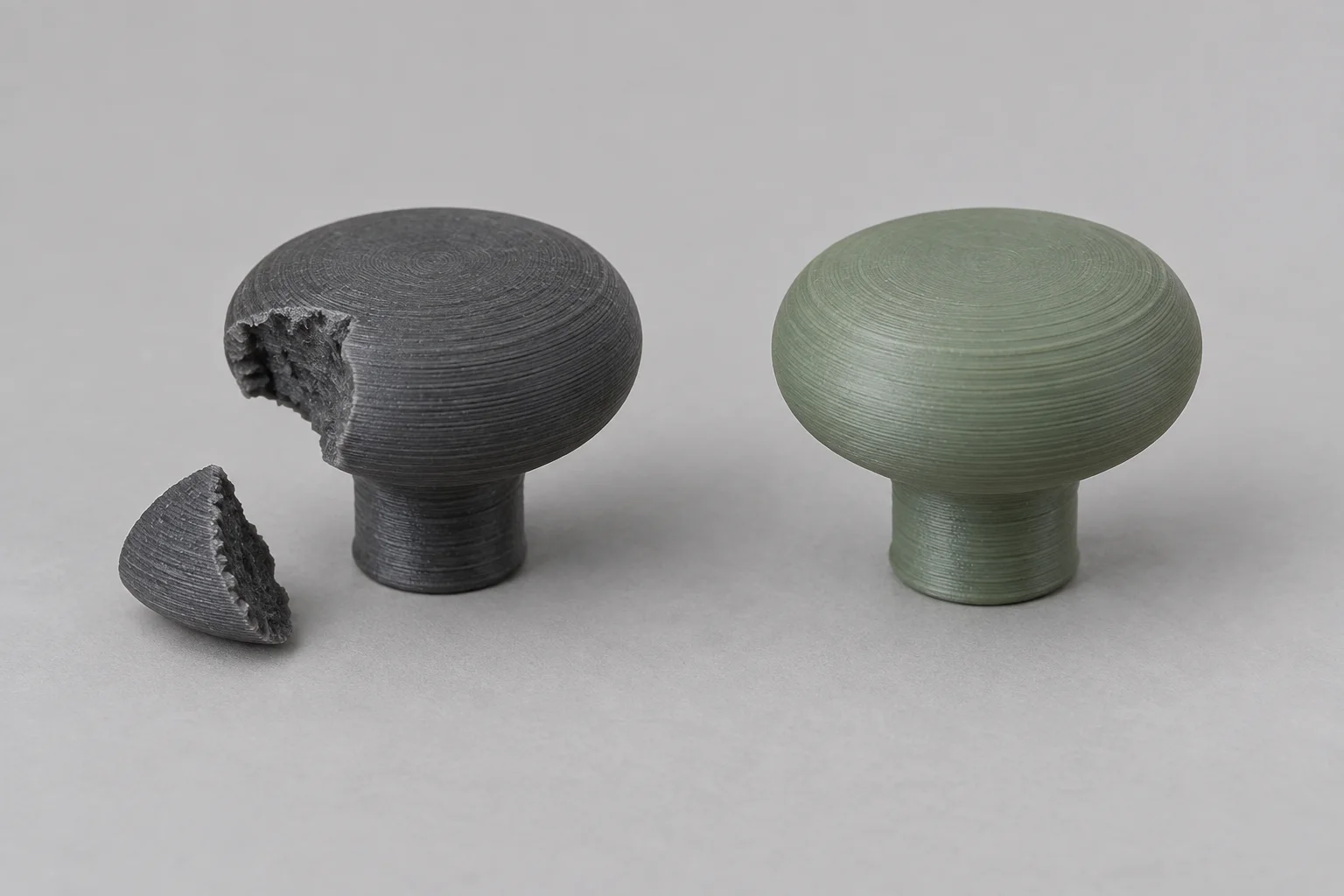
Replace a small part
A missing knob or broken fitting could be a starting point. Send a photo and rough measurements so we can assess it.
Have a broken part, a product idea or a tool that would make a job easier? We design and 3D print parts to suit your needs. Send us a photo, sketch, sample or design file and we’ll help work out the next step.
When a small part breaks or goes missing, a custom replacement could help you repair what you already own. A suitable fix can extend a product’s useful life and avoid replacing the whole item unnecessarily.
Send a photo of the damaged part or the gap it leaves, with rough measurements. We’ll assess whether a printed replacement could work.
Ask about a replacement partYou don’t need to know how 3D printing works. Tell us what the part needs to do and we’ll assess the design, material and practical options with you.
A missing knob or broken fitting could be a starting point. Send a photo and rough measurements so we can assess it.
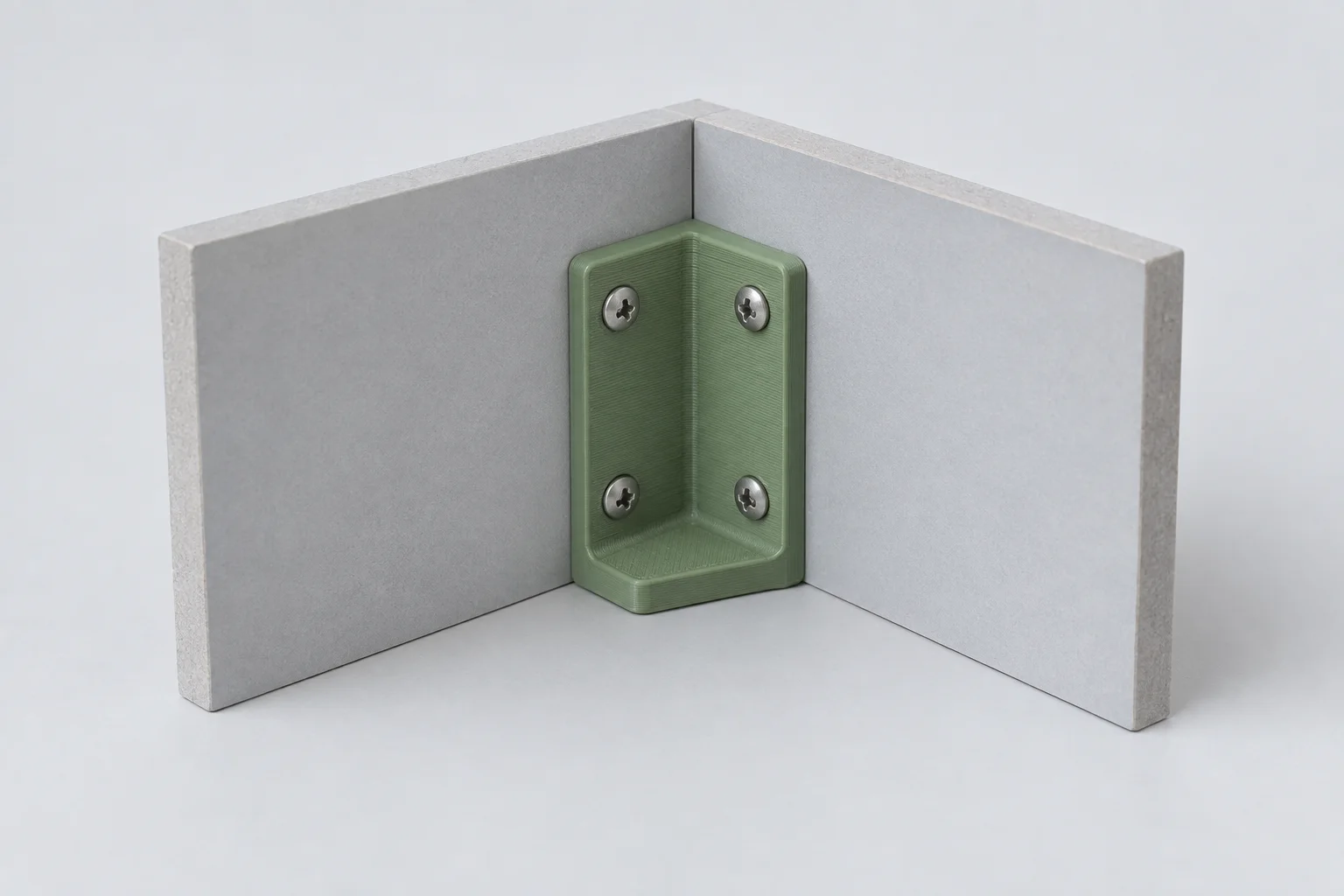
A bracket or mount can be shaped around your available space and how you need to use it.
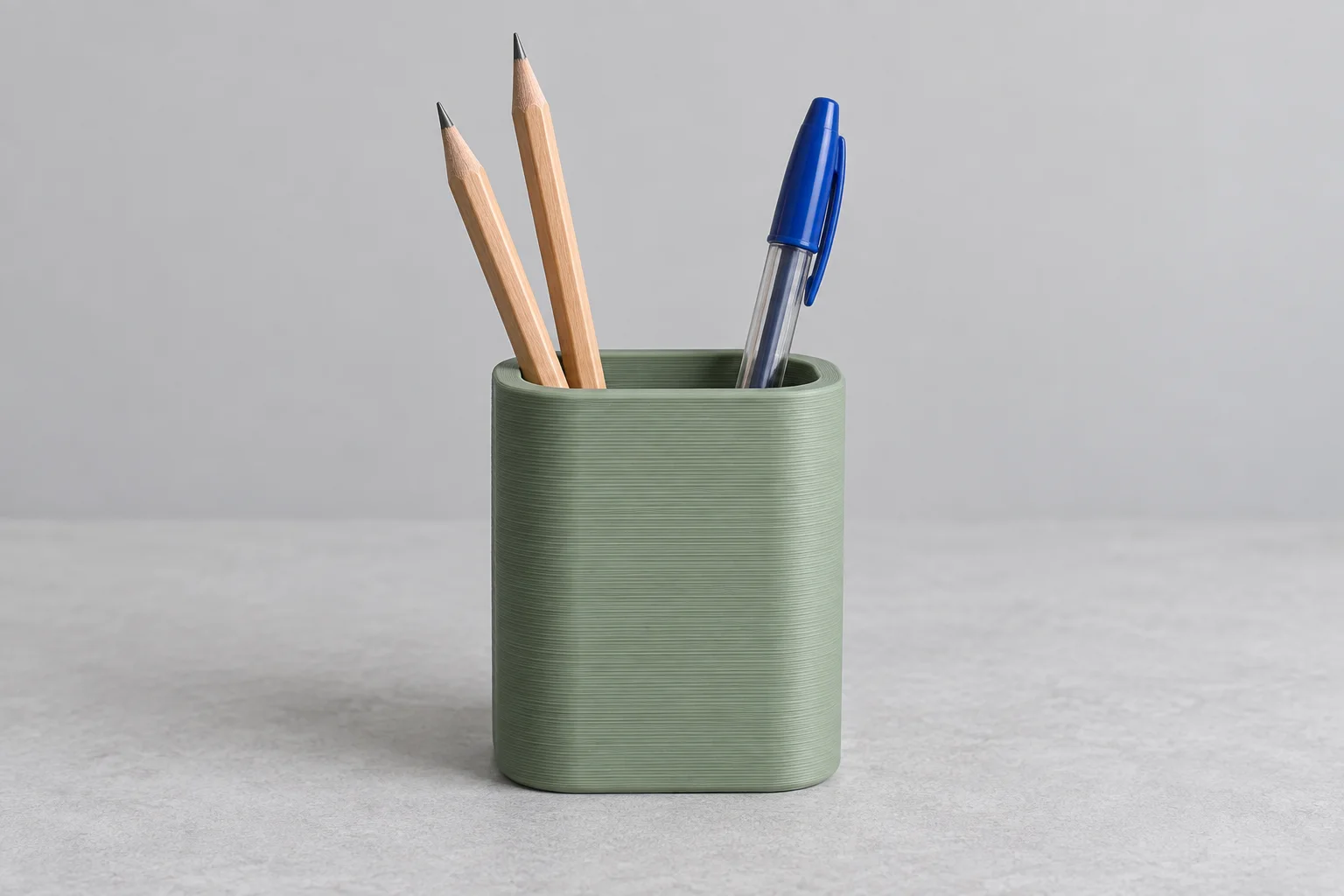
Start with a simple organiser or holder. A prototype lets you check its size and use before making more.
Illustrative examples, not completed customer projects. We assess suitability for each enquiry.
Discuss your part or ideaDesign assumptions are made explicit, prototypes are checked against the brief, and revisions are agreed before short-run production.
This reporting is operational and evidence-led. Quantified carbon or waste-reduction claims are not published because the underlying measurements have not been independently assured.
These are hypothetical enquiries, not customer case studies. The design, material and suitability would be agreed after reviewing your requirements.
The original has cracked and a matching spare is hard to find.
We could start with a photo, the original part and its fixing dimensions, then develop a replacement for a fit check.
A standard organiser does not fit the space available.
We could use your measurements to develop a custom holder, then check the size and arrangement with a first prototype.
Functional prototypes for fit, form and basic-use checks before tooling or production commitment.
Locating, drilling, assembly and inspection aids designed around a defined task.
Non-safety-critical components for obsolete, low-volume or difficult-to-source applications.
Guards, holders, guides and ergonomic aids for workshop and production use.
Controlled short runs where additive manufacturing suits the geometry, quantity and tolerance.
These relative ratings support an initial discussion; final selection depends on geometry, load, temperature, exposure, tolerances and validation requirements.
| Material | Strength | Flexibility | Heat resistance | Sustainability context | Typical B2B use case |
|---|---|---|---|---|---|
| PLA | Medium | Low | Low | Bio-based feedstock; disposal route and additives affect end-of-life options. | Visual models, fit checks and low-temperature prototypes. |
| PETG | Medium-high | Medium | Medium | Durable and potentially recyclable where suitable specialist routes exist. | Functional prototypes, brackets, guards and workshop aids. |
| ASA | High | Low-medium | High | Long service life can reduce replacement frequency; specialist recycling required. | Outdoor housings, fixtures and UV-exposed components. |
| TPU | Application-specific | Very high | Medium | Durability supports longer service life; recycling options are limited. | Protective feet, flexible guards, seals and impact buffers. |
Material availability and suitability are confirmed during feasibility review. Ratings are comparative, not certified engineering values.
Send a photo, sketch, measurement, file or rough idea. We turn the problem into a practical route.
Get a feasibility reviewShow us what is broken, missing, awkward or worth testing.
Photos, files, measurements, quantity and deadline help us respond clearly.
Material, geometry, print strategy and feasibility are made practical.
Prototype, test, refine or move into small-batch production.
Receive a useful part with support for feedback and future improvements.
Eco Print Innovations helps businesses develop practical 3D printed solutions, validate ideas and support operations with low-volume manufacturing.
Use these answers to prepare a useful brief. Project-specific requirements are confirmed during feasibility review.
STEP is preferred where editable solid geometry matters; STL is accepted for print-ready mesh geometry. We can also begin with dimensioned drawings, photographs or a physical sample.
Lead time depends on design input, validation, part size, material and quantity. Send the required delivery date with the brief; we will confirm a realistic production and UK delivery schedule before work starts.
Our standard service is for prototypes, tooling aids and non-safety-critical parts. We will decline or redirect work where certification, regulated materials, traceability or safety validation falls outside the agreed capability.
Yes. We can review a mutual or client-supplied NDA before detailed CAD data is shared. Mark confidentiality requirements in the initial enquiry so the handling route is agreed first.
Send CAD files, dimensions, quantity, operating conditions and deadline for a scoped response.